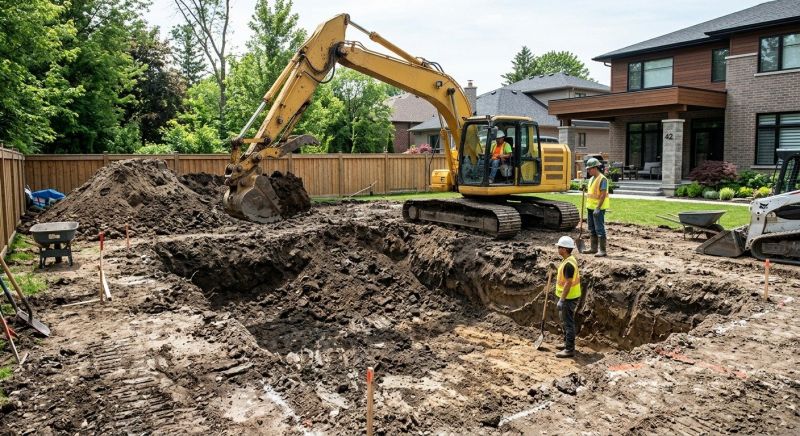
Pool Excavation in Salt Lake City, UT
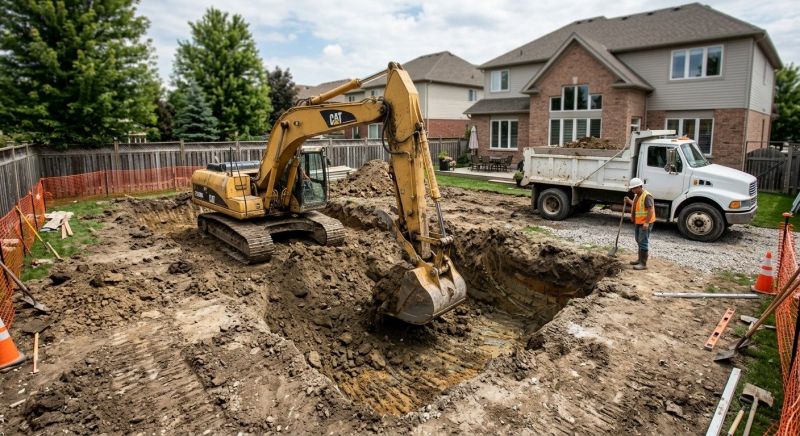
Pool excavation services involve the removal of soil and earth to prepare a site for installing a new swimming pool or making modifications to an existing one. This process typically includes digging the foundation, shaping the pool’s layout, and ensuring proper grading for drainage. Homeowners often request pool excavation for new construction projects, whether they are installing in-ground pools, spas, or custom features, as well as for renovations or repairs that require earth removal or reconfiguration of the pool area.
Before requesting pool excavation, property owners should consider factors such as the size and shape of the desired pool, access to the site, and any underground utilities or obstacles that might affect the excavation process. Understanding the soil type and local regulations can also influence project planning. Clear communication about project goals and site conditions helps ensure the excavation work aligns with the property’s needs and planning requirements.
Many property owners in Salt Lake City, UT look into Pool Excavation for repairs, replacements, upgrades, and appearance-related improvements.
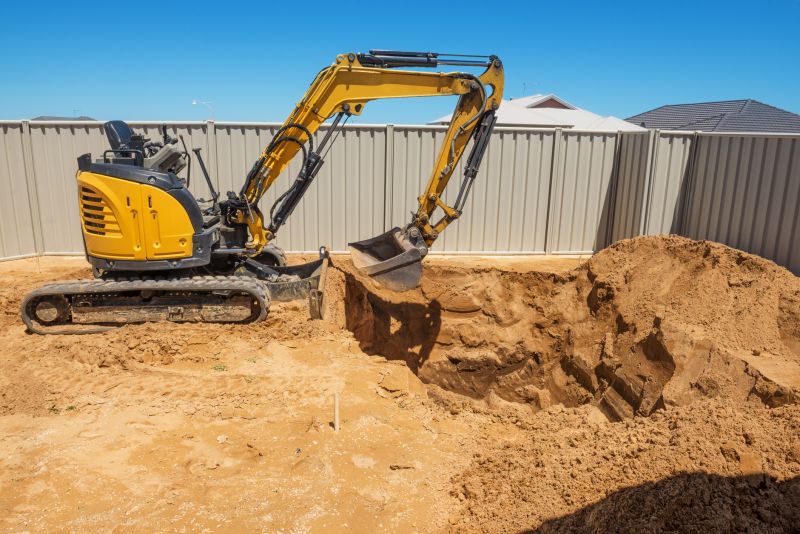
Pool Site Preparation
Proper excavation ensures a stable foundation for your new pool.
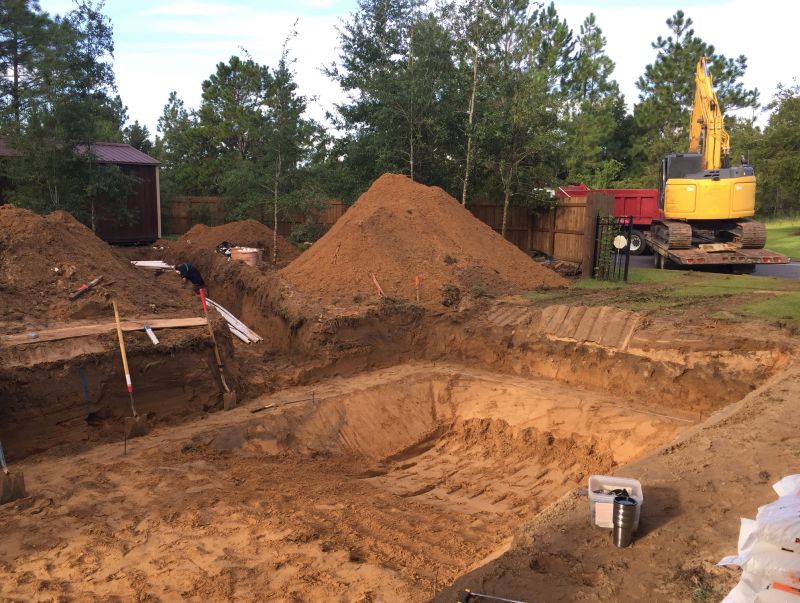
Custom Excavation Solutions
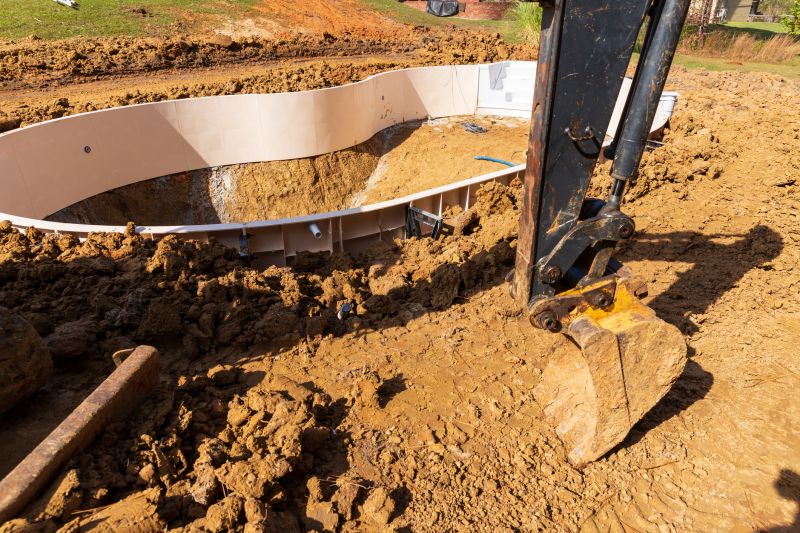
Services are tailored to accommodate various pool designs and yard layouts.
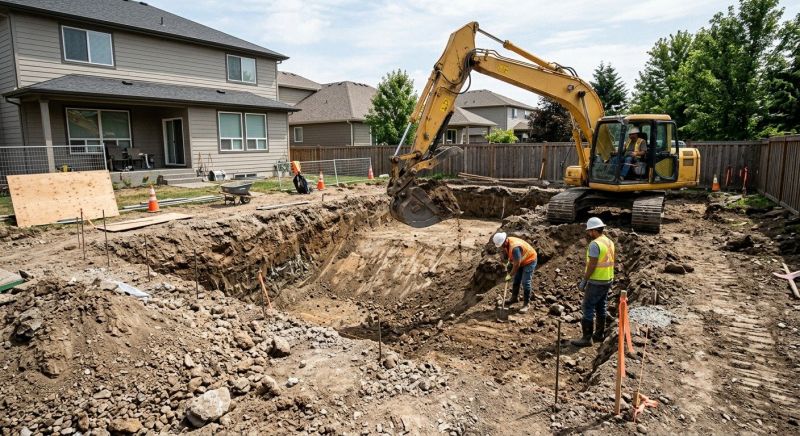
Efficient Excavation Process
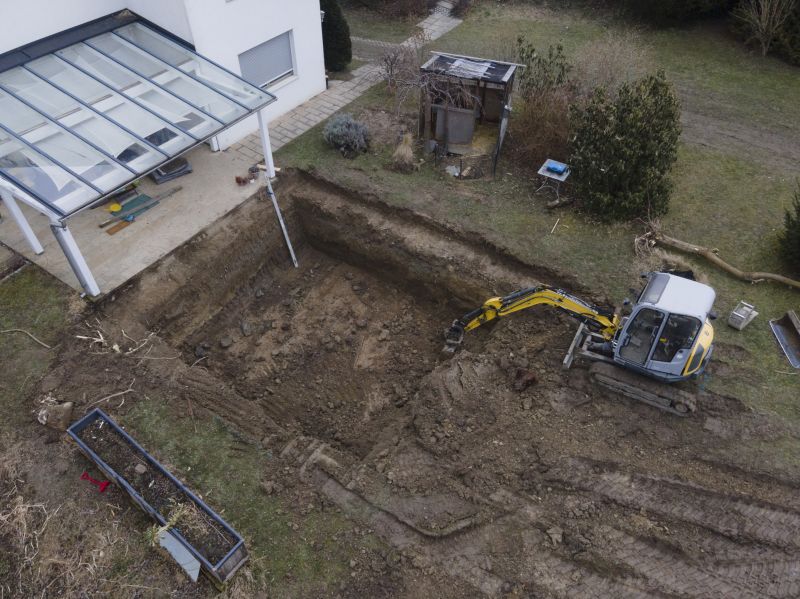
Experienced excavation minimizes disruption and prepares your property for installation.
Pool Excavation in Salt Lake City, UT

Pool excavation services involve the removal of soil and earth to prepare a site for installing a new swimming pool or making modifications to an existing one. This process typically includes digging the foundation, shaping the pool’s layout, and ensuring proper grading for drainage. Homeowners often request pool excavation for new construction projects, whether they are installing in-ground pools, spas, or custom features, as well as for renovations or repairs that require earth removal or reconfiguration of the pool area.
Before requesting pool excavation, property owners should consider factors such as the size and shape of the desired pool, access to the site, and any underground utilities or obstacles that might affect the excavation process. Understanding the soil type and local regulations can also influence project planning. Clear communication about project goals and site conditions helps ensure the excavation work aligns with the property’s needs and planning requirements.
Many property owners in Salt Lake City, UT look into Pool Excavation for repairs, replacements, upgrades, and appearance-related improvements.
Common Pool Excavation Jobs
Pool excavation - prepares the site for new pool installation by removing soil and leveling the ground.
Demolition excavation - clears existing structures or features to make way for construction projects.
Landscape excavation - reshapes yard terrain for features like patios, retaining walls, and garden beds.
Utility trenching - creates trenches for plumbing, electrical, and drainage systems related to pool projects.
Debris removal - clears soil, rocks, and construction waste from the site after excavation work.
Site grading - ensures proper slope and drainage to prevent water issues around the pool area.
Pool Excavation Questions
What is involved in pool excavation? Pool excavation includes removing soil and creating a level foundation to prepare for the pool installation process.
What types of pools require excavation services? Excavation services are needed for in-ground pools, including concrete, vinyl liner, and fiberglass types.
How does the soil condition affect excavation? Soil type and stability influence excavation methods and may require additional support or preparation.
Why is proper excavation important? Proper excavation ensures the pool is level and stable, reducing the risk of future structural issues.
Request Pool Excavation in Salt Lake City, UT
Use the quote form on this page to share the basics of your project and request more information for the type of work you need.